Chalk Rivers

Rare, remarkable—and under pressure

Fed by pure water filtered through ancient chalk, these extraordinary rivers support an abundance of life. England is home to most of the world’s chalk streams—and we have a special responsibility to protect them.

HOW THEY WORK

What is a chalk river?

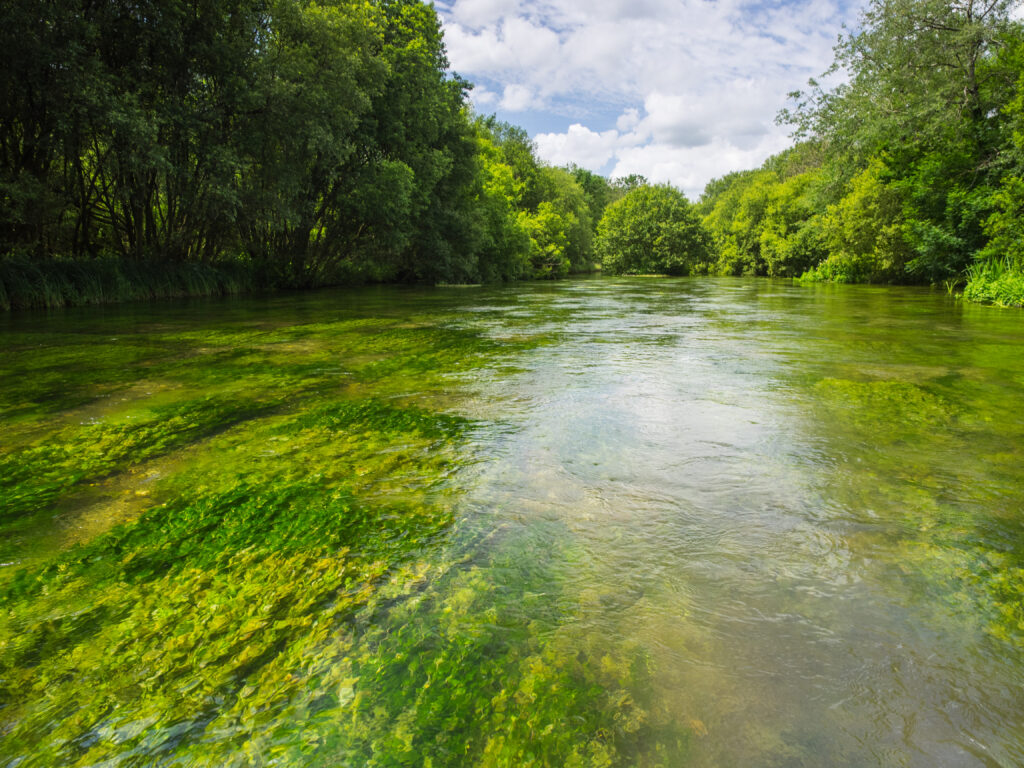
A chalk river is fed mainly by groundwater held deep within the chalk landscape. Rain filters slowly through the porous rock before re-emerging through springs—clear, cool and rich in minerals.

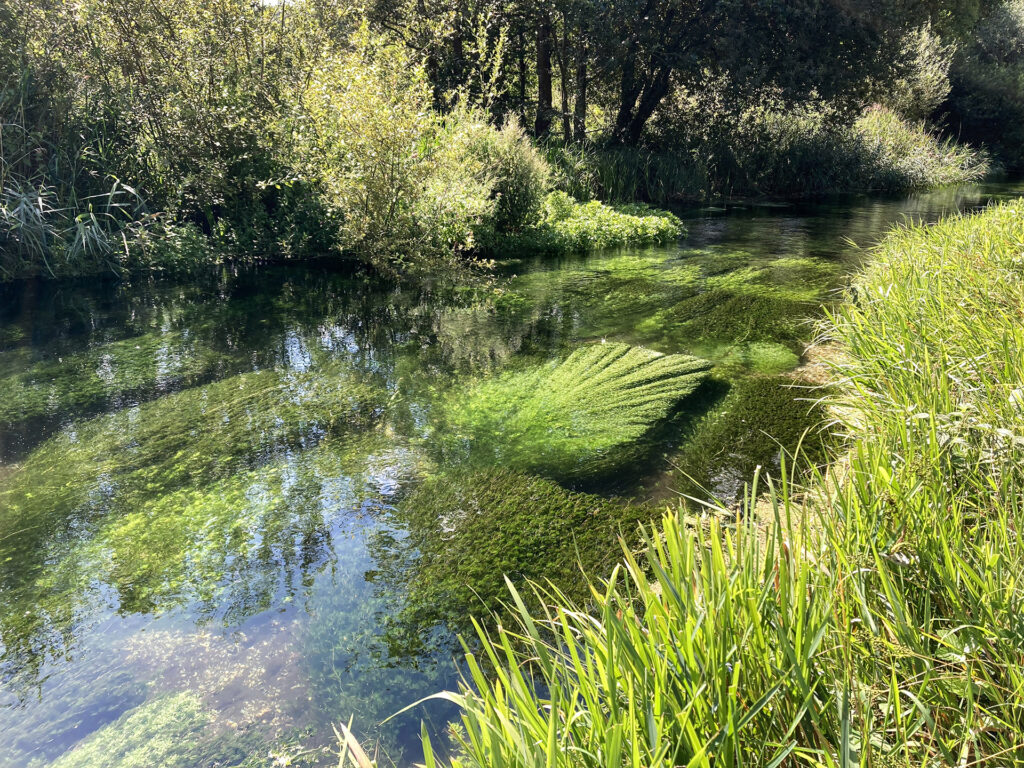
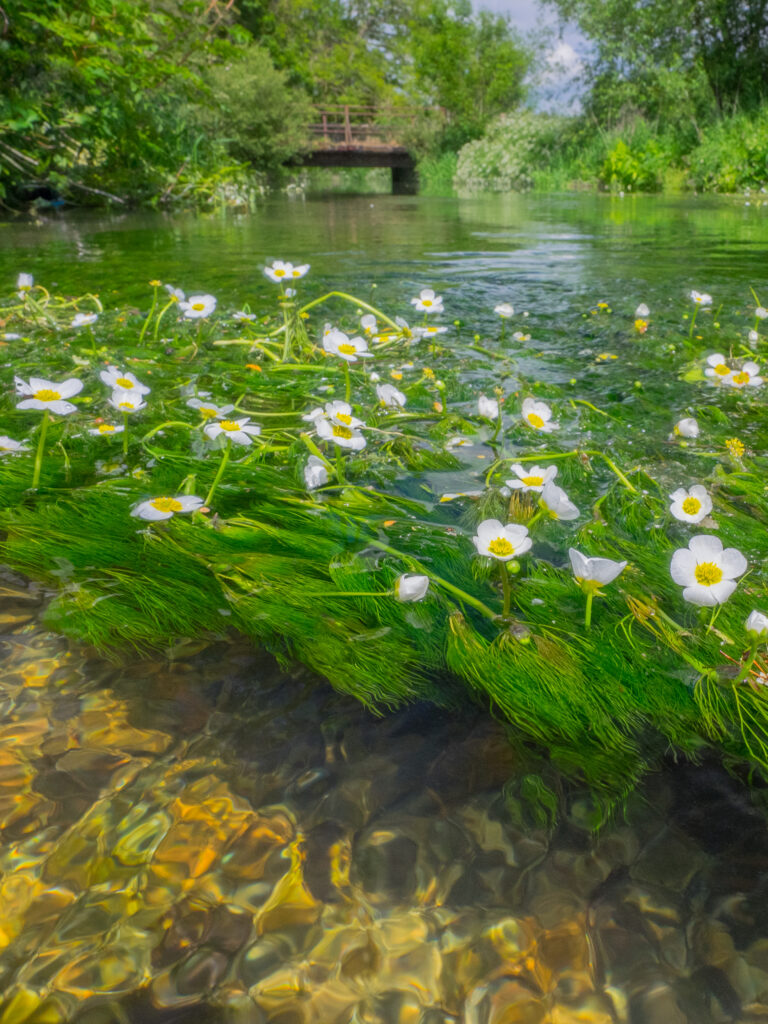
This creates the river’s distinctive character: remarkably clear water, clean gravel beds and flowing ribbons of water crowfoot. Together, they provide a rich mosaic of habitats for plants, insects, fish, birds and mammals.

Photo Dick Hawkes

PHOTOGRAPH © DICK HAWKES

Freefolk Test by Bob Wellard

PHOTOGRAPH © BOB WELLARD

WHY THEY’RE SPECIAL

Why are chalk rivers so rare?

Chalk rivers depend on an unusual combination of geology and climate. The chalk must be close enough to the surface to absorb rainfall, store it as groundwater and release it steadily through springs.

That combination occurs in only a small part of north-west Europe—and around 85% of the world’s chalk streams are found in England.

WILDLIFE

A living river

A healthy chalk river is far more than clear water. Its gravel bed, aquatic plants, margins, banks and floodplain form one connected ecosystem.

Water crowfoot creates shelter and feeding habitat. Clean gravels provide places for fish to spawn and invertebrates to live, while vegetated margins and wet meadows support wildlife throughout the river corridor.

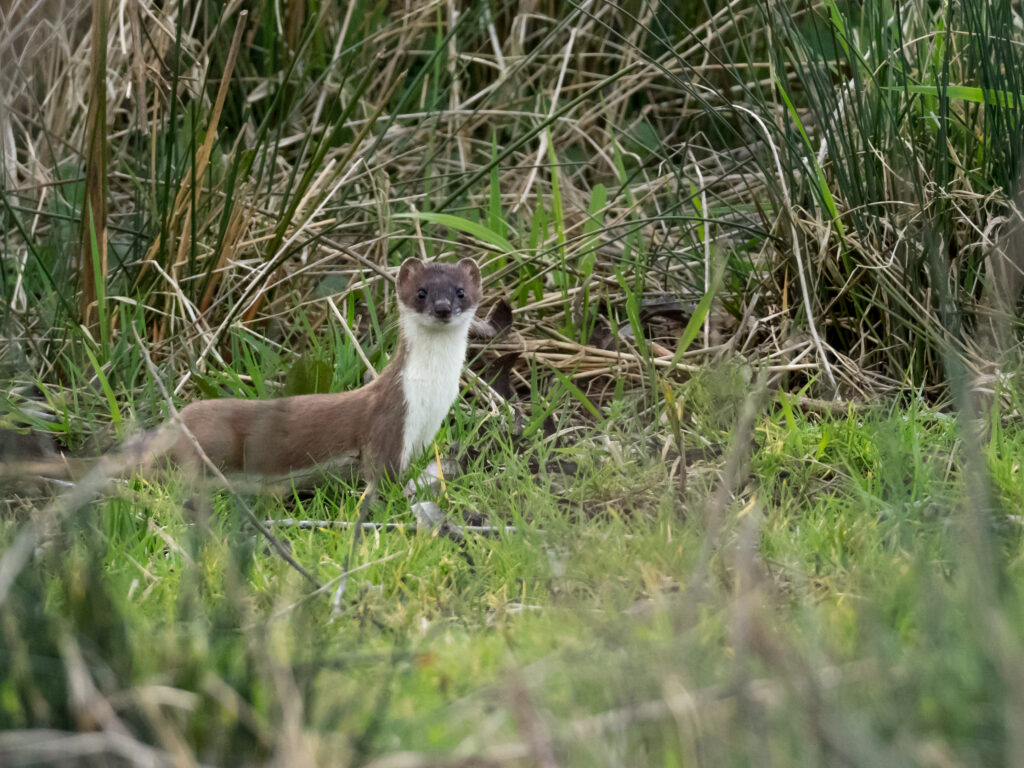
Stoat at Moor Hatches by Dick Hawkes
PHOTOGRAPH © DICK HAWKES

THE PRESSURES

What is putting them under pressure?

Too little
water

Over-abstraction can reduce groundwater levels and river flow.

Polluted
water

Sewage, agricultural nutrients, sediment and road run-off all affect water quality.

Damaged
habitat

Straightened channels, barriers and disconnected floodplains leave wildlife with fewer places to thrive.

RESTORATION

Recovery is possible

Across England, people are proving that damaged chalk rivers can recover. Reducing abstraction, improving water quality, reconnecting floodplains and restoring more natural channels can all help bring a river back to life.

The strongest projects bring together landowners, farmers, water companies, conservation groups, local communities and restoration specialists—working across the whole river rather than treating each problem in isolation.

Ranunculus, or water crowfoot
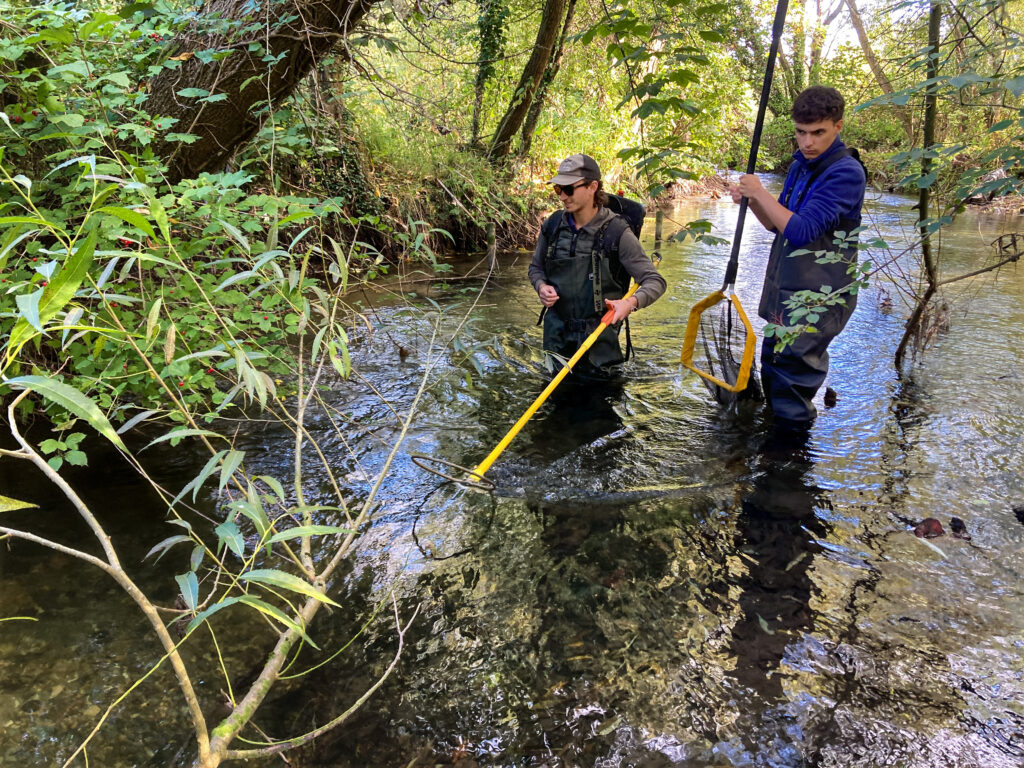
Electro Fishing

PHOTOGRAPH © BOB WELLARD

THE CHALK RIVER PROJECT

The story we are following

The Chalk River Project is beginning in Hampshire, documenting the people and partnerships working to protect and restore these rivers. Through film, field stories and shared resources, we will look honestly at the pressures they face—while giving equal attention to practical work, new ideas and signs of recovery.

Get involved

Whether you’d like to support the project, discuss a partnership or simply ask a question, we’d love to hear from you.